

October 2023 blog.
Getting up after sitting for a while, only to be struck with pain in your heel, is something that many athletes had to face in the past. The pain doesn’t just get worse in this case, but you may also struggle to walk. One common cause behind this type of pain among athletes and runners include plantar fasciitis. The condition causes pain and swelling in the plantar fascia, and without proper remedies, the symptoms can get worse.
What Are The Best Exercises For Plantar Fasciitis?
There are different ways to deal with plantar fasciitis. Usually, a couple of at-home strategies work really well. This includes ice packs and a lot of rest. You can also wear a brace if the injury is more serious and take over-the-counter medication to help with pain and inflammation. In addition to these strategies, it’s important to consider doing some exercises for plantar fasciitis. There are many exercises that can help to target muscles, tendons, and other tissues in your feet.
1. Calf Stretch.
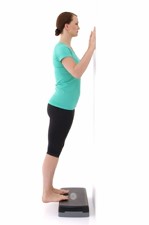
Stand against a wall or a chair. Place your hands on the wall and lengthen your arms. Pull the affected leg backward while bending the other leg forward toward the wall. Now, bring the foot that is bent forward, but keep the heel of the foot with plantar fasciitis planted on the floor. Hold it for about 15 seconds at first, then return to the starting position

2. Heel Raises.
If you have a more significant level of pain in your heel, make sure you stand somewhere with support that you can hold onto. It’s best to choose a step where you can keep the balls of both feet stable, with an opening at the back. Hold onto the rails while you perform this exercise. Your heels should hang off the back edge of the step. Slowly lower your heel downward off the ledge. Don’t overdo it. If you feel a stretch in your calves, stop. Now, bring your heel upward. You’ll now raise your body a bit so that you stand on the balls of both feet.
3. Crossover Fascia Stretch.
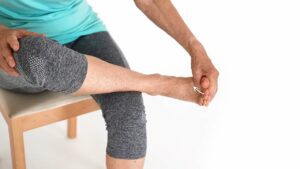
Sit down on a chair with both knees at a 90-degree angle and your feet planted on the floor. Take the injured foot and cross it over the knee of the leg that is not affected. If both your feet are affected by plantar fasciitis, then you should alternate between them. As you cross your leg over the other knee, take hold of your feet. Place your hands close to your toes. You should now pull slightly to bring the toes closer to your shin. It’s important to try and hold this position for around 15 seconds before you let go.
4. Plantar Fascia Massage.
The plantar fascia massage requires a golf ball and a standing or seated position. You should be barefoot while you perform this massage technique. Place the golf ball on the floor, then put your injured foot on top. Now, use your feet to roll the ball gently. You want to move your feet from heel to toe as you roll it.

5. Toe Towel Scrunches.
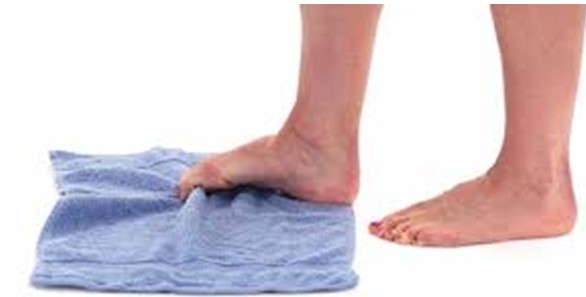
Get a towel and place it flat on the ground. In a seated position, keep your back straight up and then rest your injured foot on the towel. Spread your toes apart. Now, use a curling motion with your toes to grab the towel with your feet, then relax and return to the starting position.
Conclusion
Plantar fasciitis can be painful and make it difficult to go about your daily routine. With the right exercises, you can not only speed up recovery but also reduce the risk of the same injury recurring in the future.
 Centre chiropratique Dr Lepage chiropraticien