
A Chiropractor’s Guide. June 2025 blog.
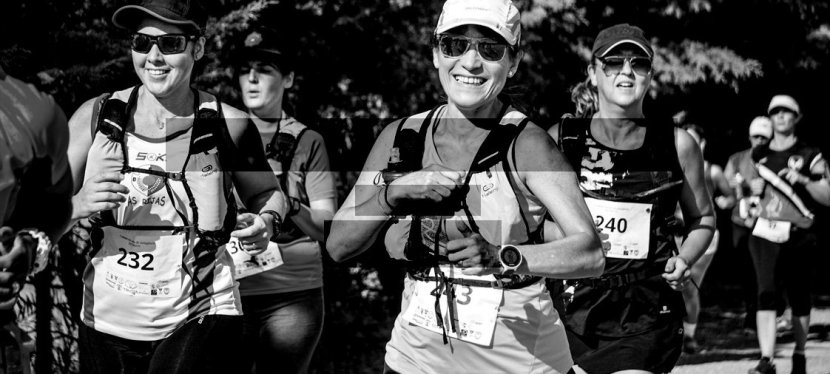
If you’re a runner or an active individual experiencing nagging pain at the front of your knee, you may be dealing with what’s commonly known as “Runner’s Knee.” Medically referred to as Patellofemoral Pain Syndrome (PFPS), this condition is a common overuse injury that can significantly limit your mobility and performance.
At our chiropractic clinic, we see many patients suffering from PFPS, and the good news is—it’s treatable, and often preventable.
What Is Runner’s Knee?
Runner’s Knee isn’t limited to runners—it’s a blanket term for pain around the kneecap (patella), particularly where it meets the lower end of the thighbone (femur). This pain typically worsens during activities that stress the knee, such as:
- Running or jogging (especially downhill)
- Squatting or kneeling
- Climbing stairs
- Sitting for extended periods with knees bent
What Causes Runner’s Knee?
Runner’s Knee is often the result of repetitive stress on the knee joint. But the root causes can vary:
- Poor biomechanics: Misalignment of the patella, overpronation of the feet, or uneven leg length can all contribute to abnormal tracking of the kneecap.
- Muscle imbalances: Weakness in the quadriceps, hips, or glutes may place extra strain on the knee joint.
- Tight muscles: Hamstrings, calves, or iliotibial (IT) bands that are too tight can pull the kneecap out of alignment.
- Overuse: A sudden increase in activity intensity or mileage can overwhelm the knee’s ability to recover.
How Chiropractic Care Helps
Chiropractic care focuses on restoring proper alignment, mobility, and function throughout the musculoskeletal system. For patients with Runner’s Knee, this can include:
1. Joint Adjustments
Precise adjustments to the spine, hips, knees, and feet can correct joint dysfonctions that contribute to abnormal movement patterns and stress on the knee.
2. Soft Tissue Therapy
Manual therapy, including myofascial release or ultrasound therapy can help relieve tight muscles and fascia around the knee, thigh, and hip.
3. Custom Orthotics
A collapse of the arch of the foot or overpronation can cause improper movement of the kneecap. We can refer you to a podiatrist or an orthotist who can, if needed, provide orthotics to support the arch and correct your gait.
4. Rehabilitative Exercises
Strengthening and stretching key muscle groups—especially the quads, glutes, and hip abductors—can help restore balance and support proper knee function.
5. Lifestyle and Training Modifications
We’ll also work with you to modify your running technique, footwear, and training schedule to reduce stress on the knees.
Prevention Tips for Runner’s Knee
Even if you’re not currently experiencing pain, here are some tips to keep your knees healthy:
- Warm up before workouts and cool down afterward.
- Gradually increase your mileage or intensity—don’t do too much too soon.
- Include strength training and flexibility exercises in your routine.
- Listen to your body. If you feel pain, don’t push through it.
Don’t Let Knee Pain Sideline You
Runner’s Knee can be frustrating—but with the right care, it doesn’t have to be a long-term setback. If you’re struggling with knee pain, our chiropractic team is here to help you recover and get back to doing what you love.
Book an appointment today, and let’s take the first step toward pain-free movement!
 Centre chiropratique Dr Lepage chiropraticien