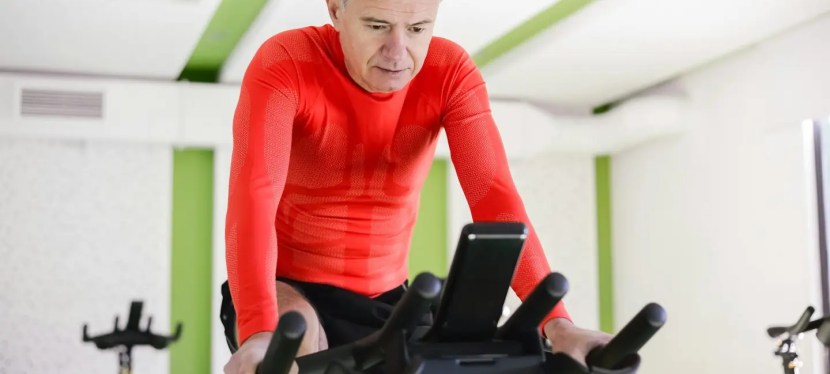
Cycling: an excellent activity for patients suffering from knee or hip osteoarthritis.

June 2026 blog.

When living with knee or hip osteoarthritis, staying active can sometimes feel counterintuitive. Yet inactivity often contributes to increased pain, stiffness, and loss of mobility. Among the most recommended forms of exercise for these patients, cycling — especially stationary biking — stands out as one of the safest and most effective options.

Why is cycling so well suited for osteoarthritis?

Unlike high-impact activities such as running or jumping sports, cycling allows the joints to move with minimal compressive stress.

The repetitive cycling motion helps:

  • lubricate the joints;
  • maintain range of motion;
  • strengthen the quadriceps and gluteal muscles;
  • improve joint stability;
  • enhance cardiovascular fitness;
  • support weight management, an important factor in osteoarthritis progression.

Stationary bikes also offer several practical advantages:

  • a controlled environment;
  • no risk related to traffic or uneven terrain;
  • precise resistance adjustment;
  • gradual and safe progression.

What does the science say?

A systematic review and meta-analysis published in Clinical Rehabilitation in 2021 examined the effects of stationary cycling in patients with knee osteoarthritis. Researchers observed significant reductions in pain as well as improvements in physical function following regular stationary bike programs. (journals.sagepub.com)

The authors concluded that stationary cycling is a safe and effective intervention for reducing symptoms associated with knee osteoarthritis, particularly pain.

Regarding hip osteoarthritis, a major systematic review published in 2023 demonstrated that therapeutic exercise improves both pain and function in patients with hip osteoarthritis. (pubmed.ncbi.nlm.nih.gov)

Although the studies did not focus exclusively on cycling, low-impact exercises such as biking were consistently among the most recommended approaches.

Earlier meta-analyses had already reached similar conclusions: regular exercise reduces pain and improves physical function in individuals with hip osteoarthritis. (sciencedirect.com

Stationary biking

Stationary biking is often preferable at the beginning of a rehabilitation or exercise program because it allows a better intensity control, a steady cadence, less apprehension and a safer environment.

Practical tips to avoid irritation

Cycling is generally very well tolerated — provided the bike is properly adjusted.

A few important recommendations:

  • set the seat high enough to avoid excessive knee flexion;
  • begin with low resistance;
  • prioritize smooth cadence over high intensity;
  • gradually increase duration;

Moving without worsening osteoarthritis

For many years, people mistakenly believed that joint degeneration meant they should “protect” the joint by avoiding movement. Today, scientific evidence clearly shows that appropriately prescribed physical activity is one of the first-line treatments for osteoarthritis. Movement not only helps reduce pain, but also preserves independence and quality of life.

Cycling therefore represents an accessible, safe, and highly effective way to keep joints moving without excessive loading.

Every case is different

It is important to remember that every person suffering from osteoarthritis has a different condition. The duration, intensity, and type of cycling (stationary bike, road bike, electric-assisted bike, etc.) should be adapted according to the symptoms, tolerance for exertion, and overall physical condition. Your chiropractor can guide you in choosing the most appropriate and safest way to cycle if you suffer from osteoarthritis in the knee or hip, in order to maximize the benefits while minimizing discomfort.


References

Fransen M, et al. Does land-based exercise reduce pain and disability associated with hip osteoarthritis? Osteoarthritis and Cartilage. 2010. (sciencedirect.com)

Luan L, et al. Stationary cycling exercise for knee osteoarthritis: A systematic review and meta-analysis. Clinical Rehabilitation. 2021. (journals.sagepub.com)

Teirlinck CH, et al. Effect of exercise therapy in patients with hip osteoarthritis: A systematic review and cumulative meta-analysis. Osteoarthritis and Cartilage Open. 2023. (pubmed.ncbi.nlm.nih.gov)

Start slowly, avoid injuries.

April 2026 blog.

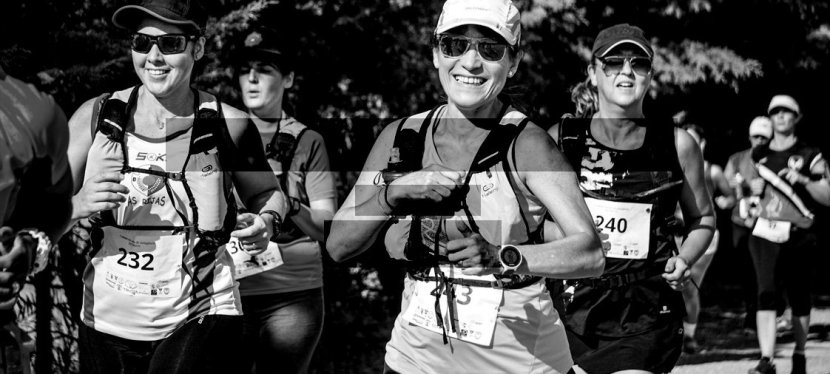
Spring has finally arrived and you may be thinking about getting back in shape. Running has become very popular, and you might be considering giving it a try. That’s an excellent idea. However, it’s important to start this sport the right way in order to avoid injuries.

In Canada, current guidelines recommend that adults accumulate at least 150 minutes of moderate-to-vigorous aerobic physical activity each week, in bouts of 10 minutes or more. Running or brisk walking are excellent ways to reach this goal. For many people, registering for a running or walking event, such as the St-Lazare Bryan Liew Run, can also be a great way to stay motivated and set a concrete objective.

Starting to run is physically demanding. Even if you are already in good shape, your body may not be accustomed to the specific movements and impact associated with running. Your body will adapt over time, but the first few weeks—and even the first few months—of training are particularly important because this is when you are more susceptible to injuries. In other words, you should start slowly and increase your training very gradually. It is also beneficial to include other types of strength and aerobic training (cross-training) until your body is ready to run more frequently.

Most people start too fast, push too hard, and run too long. In addition, they often use inadequate shoes that do not provide enough support or shock absorption. Not only do these new runners quickly start to dislike running, but they also expose themselves to a higher risk of injury. Contrary to popular belief, pain should not be felt while running. Of course, various aches and discomforts may occur sooner or later, but sharp or disabling pain indicates that something is not right. Here are a few basic tips to help prevent injuries.

Don’t Neglect the Importance of Proper Running Shoes

If you run with inadequate shoes, your feet—and everything above them such as your legs, knees, hips, and back—may eventually develop problems. Because your feet are the first part of your body to contact the ground while running, they represent the first link in the chain. A problem with your shoes or feet can therefore negatively affect the rest of this chain and potentially lead to an injury higher up.

So don’t simply take out your old pair of tennis shoes from the closet to start running. Instead, purchase a pair of shoes designed specifically for running and suited to your foot type and body weight, among other factors. Shop at a specialized running store. Yes, good running shoes can be expensive, but they are well worth the investment.

Start by Alternating Walking and Running

A good way to allow your body time to adapt to running is to alternate walking and jogging at the beginning.

If you are sedentary, start by running for 15 to 20 seconds, then walk for the same amount of time. If you are already somewhat active, one minute of running followed by one minute of walking may be a good starting point.

After a week, increase the duration of the intervals. For example, move from 20 seconds to 30 seconds, then to 45 seconds the following week. Once you reach 2 minutes of running, begin to reduce the walking time so that you run more than you walk. When you can run for 5 minutes, take only a short walking break between jogging intervals.

Gradually increase the duration of the running intervals while taking only short breaks in between. Your goal should be to reach 30 minutes of continuous running without walking. This may take a few weeks to several months depending on your initial fitness level. There is no rush. It is much better to progress gradually than to have to stop because of an injury.

Run Slowly

As an experienced runner, I can tell you that this takes time to understand… most runners tend to run too fast during their training sessions.

You should only start thinking about pace or “minutes per kilometer” once you are able to run 30 minutes continuously without walking. At the beginning, focus simply on completing your workout comfortably. Speed will come with time.

Get Enough Rest

Running is silver and rest is gold, as the “modified” proverb goes… one thing is certain: rest is essential and just as important as your workouts.

During your first few months of running, aim for 3 to 4 runs per week. Another way to approach it is to run for two consecutive days and then take a day off.

However, you can—and it is even highly recommended—to use some rest days to do another physical activity such as swimming, cycling, strength training, or aerobic exercise. This will help improve your overall fitness while using different muscles and movements than running, which reduces your risk of injury.

Train wisely an stay healthy!

Patellofemoral Pain Syndrome.

A Chiropractor’s Guide. June 2025 blog.

If you’re a runner or an active individual experiencing nagging pain at the front of your knee, you may be dealing with what’s commonly known as “Runner’s Knee.” Medically referred to as Patellofemoral Pain Syndrome (PFPS), this condition is a common overuse injury that can significantly limit your mobility and performance.

At our chiropractic clinic, we see many patients suffering from PFPS, and the good news is—it’s treatable, and often preventable.

What Is Runner’s Knee?

Runner’s Knee isn’t limited to runners—it’s a blanket term for pain around the kneecap (patella), particularly where it meets the lower end of the thighbone (femur). This pain typically worsens during activities that stress the knee, such as:

  • Running or jogging (especially downhill)
  • Squatting or kneeling
  • Climbing stairs
  • Sitting for extended periods with knees bent

What Causes Runner’s Knee?

Runner’s Knee is often the result of repetitive stress on the knee joint. But the root causes can vary:

  • Poor biomechanics: Misalignment of the patella, overpronation of the feet, or uneven leg length can all contribute to abnormal tracking of the kneecap.
  • Muscle imbalances: Weakness in the quadriceps, hips, or glutes may place extra strain on the knee joint.
  • Tight muscles: Hamstrings, calves, or iliotibial (IT) bands that are too tight can pull the kneecap out of alignment.
  • Overuse: A sudden increase in activity intensity or mileage can overwhelm the knee’s ability to recover.

How Chiropractic Care Helps

Chiropractic care focuses on restoring proper alignment, mobility, and function throughout the musculoskeletal system. For patients with Runner’s Knee, this can include:

1. Joint Adjustments

Precise adjustments to the spine, hips, knees, and feet can correct joint dysfonctions that contribute to abnormal movement patterns and stress on the knee.

2. Soft Tissue Therapy

Manual therapy, including myofascial release or ultrasound therapy can help relieve tight muscles and fascia around the knee, thigh, and hip.

3. Custom Orthotics

A collapse of the arch of the foot or overpronation can cause improper movement of the kneecap. We can refer you to a podiatrist or an orthotist who can, if needed, provide orthotics to support the arch and correct your gait.

4. Rehabilitative Exercises

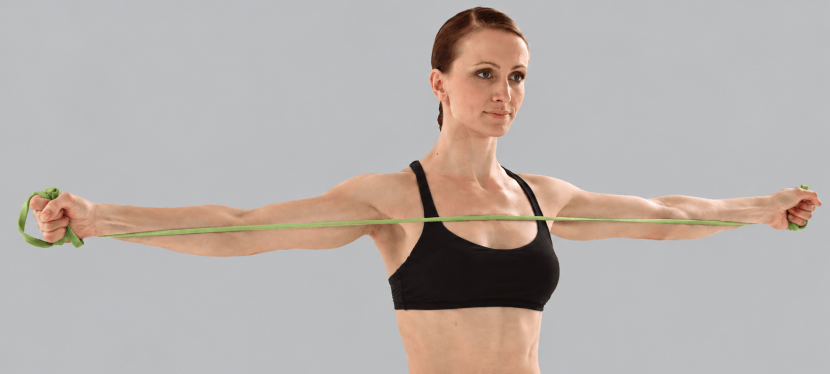
Strengthening and stretching key muscle groups—especially the quads, glutes, and hip abductors—can help restore balance and support proper knee function.

5. Lifestyle and Training Modifications

We’ll also work with you to modify your running technique, footwear, and training schedule to reduce stress on the knees.

Prevention Tips for Runner’s Knee

Even if you’re not currently experiencing pain, here are some tips to keep your knees healthy:

  • Warm up before workouts and cool down afterward.
  • Gradually increase your mileage or intensity—don’t do too much too soon.
  • Include strength training and flexibility exercises in your routine.
  • Listen to your body. If you feel pain, don’t push through it.

Don’t Let Knee Pain Sideline You

Runner’s Knee can be frustrating—but with the right care, it doesn’t have to be a long-term setback. If you’re struggling with knee pain, our chiropractic team is here to help you recover and get back to doing what you love.

Book an appointment today, and let’s take the first step toward pain-free movement!