We help each member of the family to relieve their pain or other symptoms, correct their posture and obtain optimal spinal function, and then to maintain optimal health through, amongst others, regular adjustments and physical activity.
From pain relief to optimal health
To be without pain… is this being cured? Of course not. In our society, little emphasis is placed on prevention. Yet everyone agrees that “prevention is better than cure”. Prevention is not only economical; it is also the best way to not lose valuable time on being sick.
1. Intensive initial care
If you suffer from acute pain, emphasis will first be put on relieving the symptoms. Your chiropractor will nonetheless do a complete health check and will also examine your spine and your posture during your first visit.
Pain that suddenly appears following for example, a false movement, is often the result of several months, even several years of poor function. It is essential that your chiropractor examine you thoroughly to detect all possible causes of your acute symptoms.
In addition to spinal “adjustments”, muscle work and other therapies performed during your first visits, your chiropractor will provide advice in order to quickly regain control over your acute condition.
2. Corrective care
During your third visit, your chiropractor will recommend corrective care. We will explain whatthis implies: the time required, the frequency of visits, the exercises to do and any recommendations that your chiropractor may give you in order for to you obtain optimum health.
Corrective care requires time. Posture disorders, misalignment of the spine and other disorders that your chiropractor will recommend correcting have settled slowly over the years. This is true, even if thepain has appeared recently due to something insignificant.
3. Preventive and periodic care
Once you have completed your corrective care, your chiropractor will usually recommend periodic preventive care, also known as wellness treatment. They have several objectives and benefits:
– Maintaining optimal function of your spine.
– Preventing relapses of acute injuries such lower back injuries.
– Early detection, before symptoms appear, of posture and spine disorders.
– Monitoring problems or discomfort you feel on a daily basis.
– Maintaining your current file at our clinic, in order to facilitate access to care, in case of an emergency or pressing need.
– Getting answers to your questions concerning your health from an available qualified Healthcare Professional.
At Centre chiropratique Dr Lepage chiropraticien, our new slogan is simple but meaningful: “Stay in motion.” It reflects what we see every day in the clinic and what science has confirmed for a long time: movement is one of the best strategies for maintaining your independence and slowing the effects of aging.
Our bodies are designed to move. Unfortunately, our lifestyle often keeps us sitting and motionless for long periods. Over time, this lack of movement can lead to stiffness, joint pain, poor posture, and reduced ranges of motion. Chiropractic adjustments improve joint mobility, but your daily habits help your body retain these benefits between visits.
Strength Training: An Anti-Aging Tool
Recent studies confirm that the loss of muscle mass (sarcopenia) begins as early as age 30, accelerates after age 50, but can be effectively countered through resistance exercises (strength training). Strengthening your muscles the right way increases bone density and metabolism, improves posture, maintains good mobility, and helps preserve balance. Just two to three sessions per week are enough to produce significant benefits.
Just two to three sessions of resistance exercises per week are enough to produce significant benefits.
The Importance of Aerobic Physical Activity
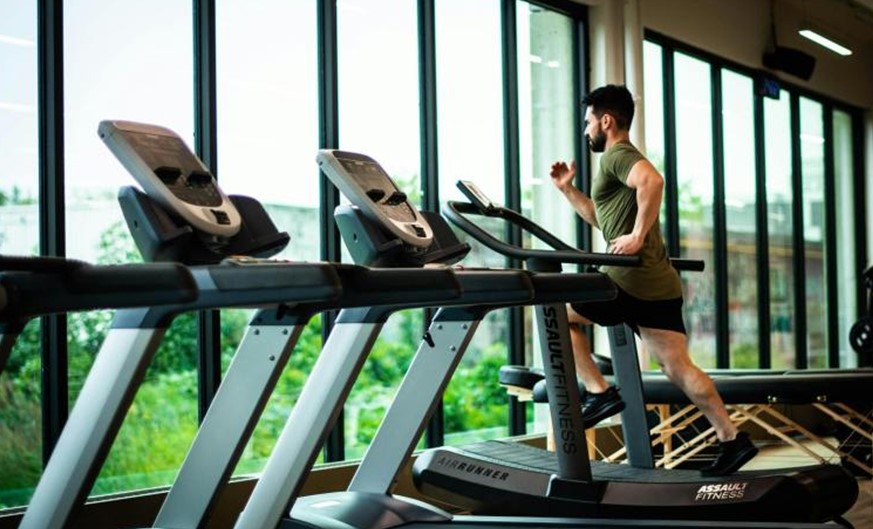
Being active for at least 150 minutes per week can help reduce the risk of premature death, heart disease, stroke, high blood pressure, certain types of cancer, type 2 diabetes, osteoporosis, overweight, and obesity! Physical activity also, of course, improves fitness, strength, and mental health (mood and self-esteem).
Adults should perform at least 150 minutes of moderate-intensity aerobic activity per week, or 75 minutes of vigorous activity, in sessions of 10 minutes or more. Moreover, the benefits of physical activity continue to increase even beyond the recommended 150 minutes per week.
Adults should perform at least 150 minutes of moderate-intensity aerobic activity per week, or 75 minutes of vigorous activity, in sessions of 10 minutes or more.
Regular chiropractic adjustments, strength training 2–3 times per week, and following Canadian recommendations for aerobic physical activity will truly help you stay in motion at every stage of life.
Consistency is the key. We’re here to support you. Stay in motion. Stay strong. Stay young.
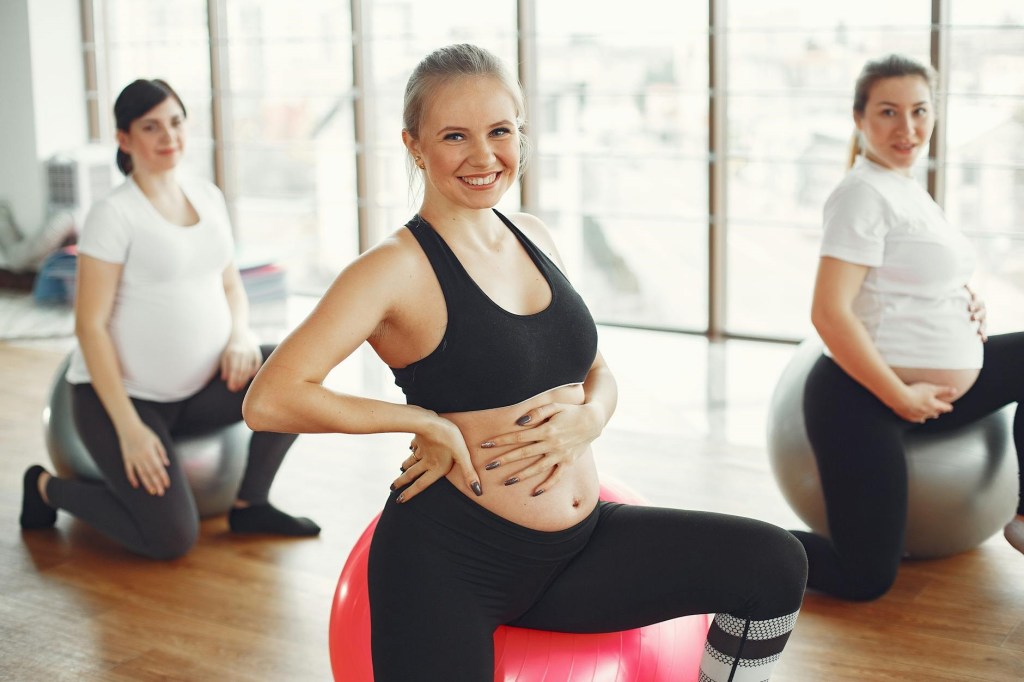
Pregnancy and giving birth are beautiful, powerful events—but they also bring many changes in your body. Staying active in safe, appropriate ways can help with discomfort, mood, recovery, and overall wellness. Here are some tips, including stroller-walking ideas, how to choose a good stroller, and local resources near Saint-Lazare to help you stay moving and connected.
Why stay active during and after pregnancy?
Some of the benefits include:
Reduced back, pelvic, hip and joint pain: As your abdomen grows and your center of gravity shifts, there’s more stress on your spine and pelvis. Gentle movement helps keep muscles strong, joints mobile, and posture more balanced. Chiropractic adjustments can assist, by addressing alignment, helping with pelvic balance, and supporting neuromuscular function.
Improved mood, sleep, circulation: Walking especially helps with endorphin release, reducing stress and anxiety. Better circulation helps reduce swelling.
Easier labor and recovery: Keeping the body as aligned, flexible, and strong as possible can promote better fetal positioning, reduce risk of discomfort in late pregnancy, and help the body recover after delivery.
Maintaining strength postpartum: After delivery, muscles (especially abdominal, pelvic floor, back) have been stretched or stressed. Gradual, safe activity helps rebuild strength, improve posture, and support healing. Chiropractic care can complement this with adjustments and guidance.
Safe activity guidelines & stroller-walking
Here are practical tips to help you stay active safely:
Get clearance from your healthcare provider: Especially if your pregnancy has complications, or after a C-section or difficult birth, check in before starting or resuming activity.
Listen to your body: Don’t push through pain. Mild discomfort, soreness or stretch is okay; sharp pain, dizziness, unusual swelling, bleeding, or contractions are signs to stop and consult your doctor.
Maintain good posture: When walking, use tall posture, shoulders back but relaxed, avoid overstriding, try to keep pelvis neutral as much as possible. Good footwear is essential—supportive, shock-absorbing shoes.
Use a good stroller if walking with baby:
Choose a stroller with good suspension, roomy wheel base, stable wheels for uneven sidewalks or trails. Handlebar height should allow for comfortable posture: you shouldn’t be hunching over or leaning forward. A stroller you can push comfortably without twisting your torso helps protect your back. If possible, choose one with an adjustable handle to accommodate changing height (or shared pushing). Use a stroller-sunshade or cover, padding where needed, and ensure the baby’s position is ergonomic.
Incorporate faster walking when safe: A brisk walk (but not jogging unless cleared) can raise heart rate somewhat, improve cardio health, help mood. Even intervals (normal pace / slightly faster) help.
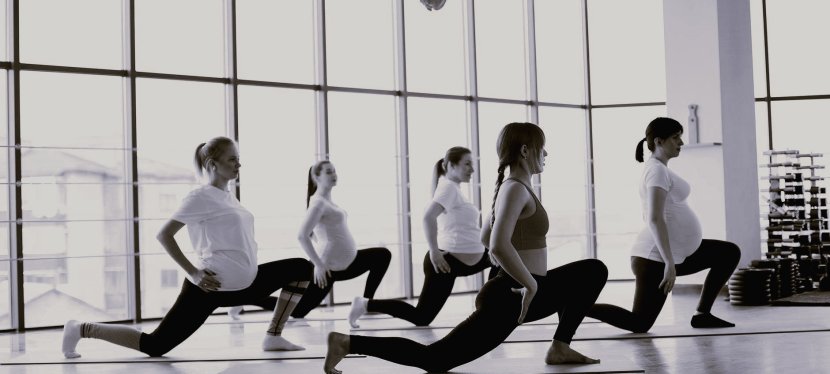
Other low-impact activities: Prenatal yoga, swimming, gentle stretching, pelvic floor exercises. After delivery, gradually add core work, walking, and strength training as appropriate.
Tips for staying active after delivery
Begin gently: walking with the stroller, light stretching. Give your body time to heal.
Focus on posture, especially around feeding: leaning over feeds, carrying baby, etc., can strain your neck/back. Chiropractic adjustments and exercises help.
Pelvic floor care: if possible, work with a physiotherapist or chiropractor who understands postpartum pelvic health.
Avoid heavy lifting, twisting too early. Get help when needed.
Try to build in routines: a daily stroll, a weekly mom-and-baby exercise class or yoga class can help both physically and emotionally.
Local options & examples near Saint-Lazare
If you’re in or near Saint-Lazare, here are some good local resources and activities that can support an active pregnancy or postpartum period:
The Centre Prénatal et Jeunes Familles also has “Cafés & Chats” where parents can exchange, connect. Walking to a meeting like that can help you get out regularly.
Centre Prénatal et Jeunes Familles de Vaudreuil-Soulanges (https://www.centrepjf.org/en): This center offers many workshops for pregnancy and for mothers with babies. Some of the relevant ones:
Prenatal yoga offered through that center. Yoga helps with flexibility, breathing, strength.
Public prenatal classes through Québec’s services: the Québec government offers prenatal classes (nutrition, preparation for childbirth, newborn care) that often include movement or physical preparation. CIUSSS de l’Ouest-de-l’Île-de-Montréal
If you’re a runner or an active individual experiencing nagging pain at the front of your knee, you may be dealing with what’s commonly known as “Runner’s Knee.” Medically referred to as Patellofemoral Pain Syndrome (PFPS), this condition is a common overuse injury that can significantly limit your mobility and performance.
At our chiropractic clinic, we see many patients suffering from PFPS, and the good news is—it’s treatable, and often preventable.
What Is Runner’s Knee?
Runner’s Knee isn’t limited to runners—it’s a blanket term for pain around the kneecap (patella), particularly where it meets the lower end of the thighbone (femur). This pain typically worsens during activities that stress the knee, such as:
Running or jogging (especially downhill)
Squatting or kneeling
Climbing stairs
Sitting for extended periods with knees bent
What Causes Runner’s Knee?
Runner’s Knee is often the result of repetitive stress on the knee joint. But the root causes can vary:
Poor biomechanics: Misalignment of the patella, overpronation of the feet, or uneven leg length can all contribute to abnormal tracking of the kneecap.
Muscle imbalances: Weakness in the quadriceps, hips, or glutes may place extra strain on the knee joint.
Tight muscles: Hamstrings, calves, or iliotibial (IT) bands that are too tight can pull the kneecap out of alignment.
Overuse: A sudden increase in activity intensity or mileage can overwhelm the knee’s ability to recover.
How Chiropractic Care Helps
Chiropractic care focuses on restoring proper alignment, mobility, and function throughout the musculoskeletal system. For patients with Runner’s Knee, this can include:
1. Joint Adjustments
Precise adjustments to the spine, hips, knees, and feet can correct joint dysfonctions that contribute to abnormal movement patterns and stress on the knee.
2. Soft Tissue Therapy
Manual therapy, including myofascial release or ultrasound therapy can help relieve tight muscles and fascia around the knee, thigh, and hip.
3. Custom Orthotics
A collapse of the arch of the foot or overpronation can cause improper movement of the kneecap. We can refer you to a podiatrist or an orthotist who can, if needed, provide orthotics to support the arch and correct your gait.
4. Rehabilitative Exercises
Strengthening and stretching key muscle groups—especially the quads, glutes, and hip abductors—can help restore balance and support proper knee function.
5. Lifestyle and Training Modifications
We’ll also work with you to modify your running technique, footwear, and training schedule to reduce stress on the knees.
Prevention Tips for Runner’s Knee
Even if you’re not currently experiencing pain, here are some tips to keep your knees healthy:
Warm up before workouts and cool down afterward.
Gradually increase your mileage or intensity—don’t do too much too soon.
Include strength training and flexibility exercises in your routine.
Listen to your body. If you feel pain, don’t push through it.
Don’t Let Knee Pain Sideline You
Runner’s Knee can be frustrating—but with the right care, it doesn’t have to be a long-term setback. If you’re struggling with knee pain, our chiropractic team is here to help you recover and get back to doing what you love.
Book an appointment today, and let’s take the first step toward pain-free movement!
As chiropractors, we understand the crucial role that your spine plays in overall health. A well-aligned spine allows for proper mobility, flexibility, and balance. However, maintaining a healthy spine isn’t just about regular chiropractic adjustments. One of the most significant factors in ensuring a healthy spine is the strength and function of your core muscles.
What Are Core Muscles?
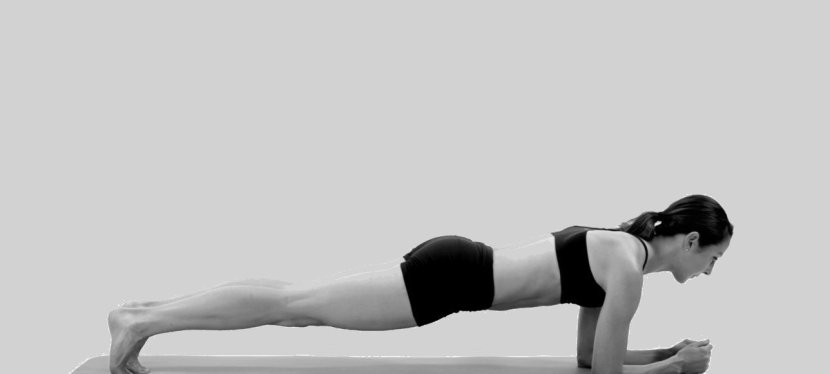
Your core muscles are not just the “six-pack” abs you often see on fitness magazines. The core refers to a group of muscles that work together to stabilize and support your spine, pelvis, and shoulders. These muscles include:
Abdominals: The muscles at the front of your body that help support your spine.
Obliques: The muscles on the sides of your torso that enable rotational movements and provide stability.
Lower back muscles: These muscles are critical for supporting your spine, particularly during lifting or bending activities.
Pelvic floor muscles: These muscles support your organs and help in maintaining pelvic stability.
Together, these muscles create a sturdy foundation that supports your spine and helps maintain proper posture, movement, and flexibility.
Why Core Strength Matters?
1. Supports Spinal Health
A strong core plays a vital role in the health and alignment of your spine. The core muscles act like a natural brace that helps support your back, reduce pressure on your spinal discs, and prevent undue strain on the spine. Without adequate core strength, other structures like the ligaments and muscles surrounding the spine are forced to compensate, leading to poor posture and an increased risk of injury.
2. Prevents Back Pain
Chronic lower back pain is one of the most common reasons people seek chiropractic care. Weak core muscles can contribute significantly to this pain. When your core muscles are weak, other parts of your body—like the lower back—have to work harder to stabilize and support your movements. This can lead to muscle imbalances, excessive strain on certain areas, and, eventually, pain and discomfort.
3. Improves Posture
Your core is the foundation of good posture. A strong core keeps you upright and ensures your body moves in proper alignment. Poor posture, such as slouching or leaning forward, can strain your spine and cause long-term damage. Strengthening your core helps you maintain an optimal alignment, reducing the likelihood of misalignments or discomfort.
4. Enhances Mobility and Flexibility
Core strength is essential for overall mobility. Whether you’re reaching, bending, or twisting, a strong core allows for better range of motion and improved functional movement. Without proper core support, movements become inefficient and may increase the risk of injury during physical activity.
5. Aids in Balance and Stability
The core plays a significant role in balance and stability, both when you’re stationary and when you’re in motion. Whether you’re walking, exercising, or participating in sports, a strong core helps you stay balanced and stable. It allows for more controlled, efficient movement and helps reduce the likelihood of falls or accidents.
The Role of Chiropractic Care in Core Health
Chiropractors not only focus on spinal adjustments but also educate patients on the importance of strengthening their core. Regular chiropractic visits can help identify any misalignments that might be contributing to weakness or imbalance in your core muscles. Chiropractors often recommend specific stretches or exercises tailored to your needs to help build strength, prevent injury, and support long-term spinal health.
Incorporating chiropractic care with core-strengthening exercises creates a balanced, holistic approach to your spine’s health. With proper alignment and a strong core, you can reduce your risk of injury, alleviate back pain, and enhance your overall quality of life.
Conclusion
Your core muscles are integral to maintaining a healthy spine and preventing pain or discomfort. By strengthening these muscles, you can improve your posture, enhance mobility, and support overall spinal health. Regular chiropractic adjustments combined with core-focused exercises can help you maintain an active and healthy lifestyle, free from back pain and misalignments. Ask your chiropractor about the best core strengthening exercises adapted to your specific condition.
If you’re experiencing discomfort or want to learn more about how chiropractic care can complement your core strengthening routine, reach out to us today. We’re here to help you feel your best!
The clientele we serve is composed mainly of families whose members place health as their basic value, participate in regular physical activities and maintain good postural hygiene, as well as a healthy lifestyle.
We help each member of these families to relieve their pain or other symptoms, correct their posture and obtain optimal spinal function, and then to maintain optimal health through, amongst others, regular adjustments and physical activity.
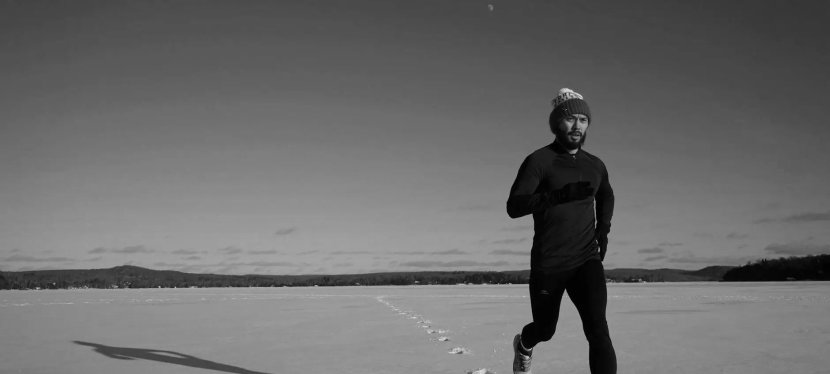
Running in winter can be incredibly refreshing, but it also comes with unique challenges. Cold temperatures, icy paths, and unpredictable weather conditions require thoughtful clothing choices to ensure your safety, comfort, and performance. As chiropractors, we know the importance of proper attire to avoid injuries and maintain good posture while you run. In this blog, we’ll discuss the best clothes for winter running to help you stay active, warm, and injury-free during the colder months.
1. Layering is Key
When it comes to winter running, layering is your best friend. By wearing multiple layers, you can adjust your clothing to stay comfortable as your body temperature changes throughout your run. The key is to start with moisture-wicking base layers, add an insulating layer, and finish with a windproof or waterproof outer layer. Here’s a breakdown of each:
Base Layer (Moisture-Wicking): Start with a moisture-wicking shirt or tights made from materials like merino wool or synthetic fabrics (e.g., polyester or nylon). These fabrics will help wick sweat away from your skin, keeping you dry and preventing chills from setting in.
Insulating Layer: The next layer should keep you warm without overheating. Choose materials like fleece, which provide warmth without adding excessive bulk. If it’s particularly cold, you might opt for a thicker insulated jacket or tights.
Outer Layer (Weather Protection): Wind and rain can quickly turn a pleasant winter run into an uncomfortable ordeal. A lightweight, windproof, and waterproof jacket can shield you from the elements. Look for breathable options to avoid getting too sweaty inside your jacket.
2. Don’t Forget About Your Extremities
In winter, your hands, feet, and head need extra attention. These body parts are particularly prone to getting cold, which can lead to discomfort and even frostbite if left unprotected.
Hat/Headband: A thermal, moisture-wicking hat or headband will keep your ears warm while wicking away sweat. A hat with a brim can also shield your eyes from snow or rain, improving visibility during winter runs.
Gloves: Your hands are often exposed to cold temperatures, so investing in a good pair of running gloves is essential. Look for gloves made of insulating and moisture-wicking materials. For extremely cold weather, you may want to consider gloves with touch-screen capabilities, so you can use your phone without freezing your fingers off.
Socks: Choose moisture-wicking, thermal socks to keep your feet warm and dry. Wool socks are an excellent choice for cold-weather running, as they provide insulation even when wet. Avoid cotton socks, as they tend to trap moisture, which can lead to blisters and discomfort.
Shoes: A good pair of running shoes is crucial year-round, but in winter, you need shoes that provide traction on slippery surfaces. Look for shoes with a sturdy, non-slip sole, and consider adding traction devices like shoe spikes for icy conditions.
3. Visibility is Vital
During the winter, daylight hours are shorter, so many runners will find themselves out in low-light conditions. To ensure your safety, wear reflective gear or clothing with bright colors. Reflective vests, jackets, and shoes will make you visible to drivers and other runners, reducing the risk of accidents.
4. Don’t Overdress
While it’s tempting to bundle up to stay warm, remember that your body temperature will rise as you run. Overdressing can lead to excessive sweating, which can result in discomfort or even a chill when you stop. Dress as if it’s 5 degrees warmer than the actual temperature, allowing your body to adjust to the cold without overheating.
Conclusion
Winter running can be a rewarding experience when you’re dressed correctly. Layering, proper clothing for your extremities, and ensuring visibility are all key to having a successful and injury-free run. As chiropractors, we always emphasize the importance of staying comfortable and avoiding strain, and the right clothing is a vital part of preventing overuse injuries and ensuring your body can perform at its best. With the right gear, you can enjoy winter running while keeping your body healthy and injury-free. Stay warm, stay safe, and enjoy the winter runs!
Traveling can be an exciting adventure, but the journey itself often comes with its own set of challenges for your body. Whether you’re walking through terminals, running to your gate, sitting for extended periods, or lifting heavy luggage, the combination of muscle fatigue, joint stiffness, and travel stress can make you feel worn out before you even reach your destination or in some cases, your flight. As chiropractors, we understand the toll that travel can take on your body and have suggestions on how to improve your comfort from the moment you step into the airport, to when you reach your destination.
Let’s start with when you arrive at the airport. You may have been sitting in a cab or train for some time and are now going to be waiting in security lines and walking through the terminal. We all know that walking through airports is no easy feat, especially when towing along your luggage. Stretching your hip flexors while waiting in line can help keep your stride comfortable and reduce the risk of hip or lower back pain.
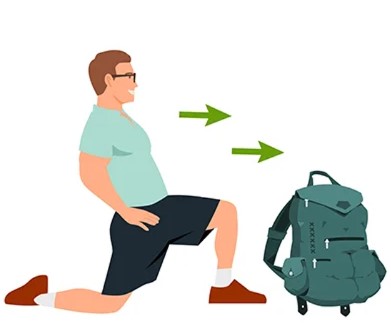
1. A hip flexor stretch before a long distance walk through the terminal
How to do it: Find an area with some open space and stand straight with your arms at your sides. Place your hands on your hips. Take a step forward with your right foot so you are standing in a split stance. Lower your right knee so it is bending at a 90-degree angle. With your left leg extended straight back behind you, you should feel a stretch in the left hip. Hold this position for 20-30 seconds, then switch legs.
Chiropractic Tip:
Even if you’re wearing running shoes, keeping your strides shorter can help to reduce the amount of force to your heels, feet, legs and back.
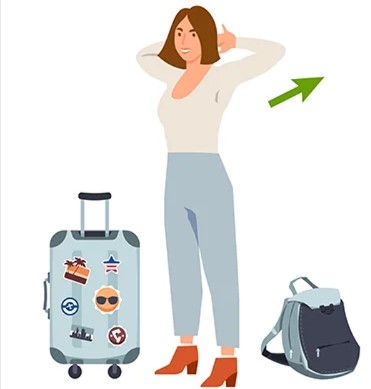
2. Prepare to lift your luggage into the overhead compartments with this upper back stretch
How to do it: Stand with your feet shoulder-width apart. Interlace your fingers behind your head and gently pull your elbows back, opening up your chest. Take a deep breath in, and as you exhale, gently arch your upper back, lifting your chest toward the ceiling. Hold this stretch for 20-30 seconds, feeling the tension release from your upper back.
Reminder! If you’re carrying a shoulder bag, remember to switch sides throughout your travels to distribute the load between your left and right shoulders.
3. A neck stretch after your snooze on the plane
How to do it: Sit up straight in your seat and slowly tilt your head to the right side, bringing your ear toward your shoulder. Use your right hand to gently pull your ear closer to your shoulder, deepening the stretch. Take some slow, deep breaths while you hold the stretch for 20-30 seconds, then switch to the left side. Be sure to keep your shoulders relaxed throughout the stretch.
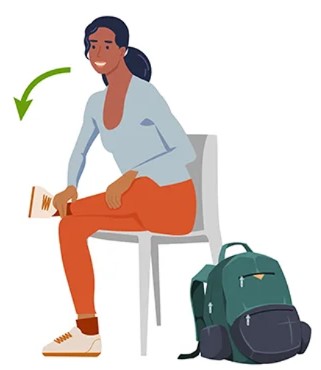
4. Try this lower back stretch after that long flight or layover
How to do it: Sit on the edge of your seat with your feet flat on the floor. Place one ankle over the opposite knee, forming a figure four with your legs. Gently lean forward, keeping your back straight, until you feel a stretch in your lower back and hips. Hold this position for 20-30 seconds, then switch sides.
Finally, you finished reading the last chapter of your novel as your flight lands at your destination. The thoughts of new foods and sightseeing keep your exhaustion at bay and you feel almost instantly rejuvenated! That is, until you see the line up for customs. Standing in long security lines or waiting for your flight can lead to discomfort in your back. A full back stretch can help relieve this muscle fatigue and tension, and keep you feeling physically refreshed.
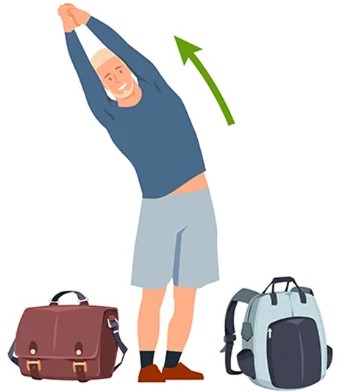
5. Stretching the full back while you’re standing in line
How to do it: Stand with your feet shoulder-width apart. Reach your arms overhead and clasp your hands together. Slowly lean to one side, stretching through the entire side of your body. Hold this position for 20-30 seconds, then switch to the other side. Finally, bend forward in attempt to touch your toes and roll your back up to stand up straight.
Chiropractic Tip: Research recommends standing up to move once every hour to reduce common areas of stiffness and muscle aches. When it is safe to do so, stand up and move for a few minutes!
By incorporating these simple stretches into your travel routine, you can help prevent common aches and pains associated with long journeys, whether you’re heading to the destination of your dreams or looking forward to returning to the comfort of your own home. A little bit of stretching can go a long way in keeping you comfortable and ready to enjoy your trip to the fullest.
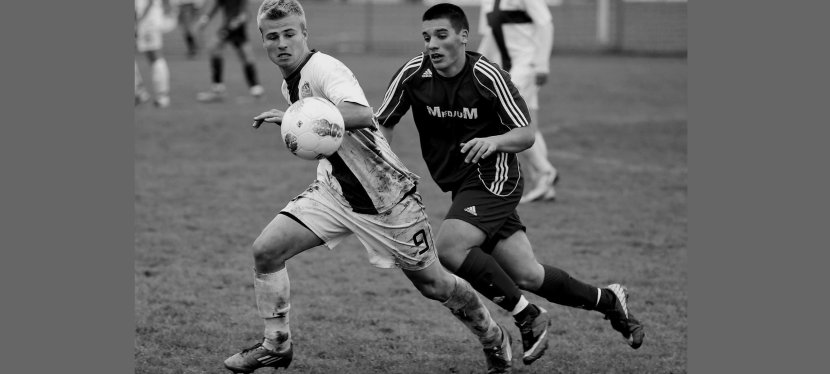
Participating in sports is a great way to stay active and in some sports, a level of physical contact is required. However, this physical contact can sometimes result in injury. Although we hope that you are able to play safely, concussions are a common traumatic brain injury that can occur in high-contact sports. This injury can be serious, and it’s important to know what steps you should take in the event that you suspect that you or someone you know has suffered a concussion.
Here are five things you should know about concussions:
A concussion may be caused by a direct blow to the head, face, neck, or impact elsewhere on the body that transmits force to the head.
There are multiple ways to get a concussion such as from falling, or a car or bike accident. When it comes to physical activity, concussions have a greater risk of occurring in sports that involve body contact, collisions, and/or moving at high speeds.
A concussion can be difficult to diagnose because clinical symptoms and signs can change and may evolve over time. The diagnosis of a concussion is based on the assessment of a range of symptoms (i.e., headache, difficulty concentrating, feeling like being in a fog, or emotional lability), signs (i.e., loss of consciousness or balance disturbance), cognitive impairment (i.e., confusion or slowed reaction times) and neurobehavioural changes, such as irritability.
When properly managed, 80–90% of concussions resolve in a short period of about 7–10 days, although the recovery time frame may be longer in children and adolescents.
Often, the most important factor in concussion management is physical and cognitive rest until the symptoms resolve. From there, a step-by-step guideline is followed that slowly increases physical and cognitive exertion before returning to one’s regular active lifestyle.However, emerging evidence has suggested that starting aerobic exercise sooner rather than later after a diagnosed concussion contributes to a faster recovery and return to sport, school and work.
Many chiropractors with first responder training commonly work with other healthcare professionals to support sports teams. Part of their role is to manage cases of suspected concussions and refer for additional medical attention as needed. Chiropractors can also help to co-manage the recovery and return to play of athletes.
If at any point you believe someone may have a concussion, contact medical staff immediately to assess the situation. Concussions should never be taken as a light injury and must be attended to.
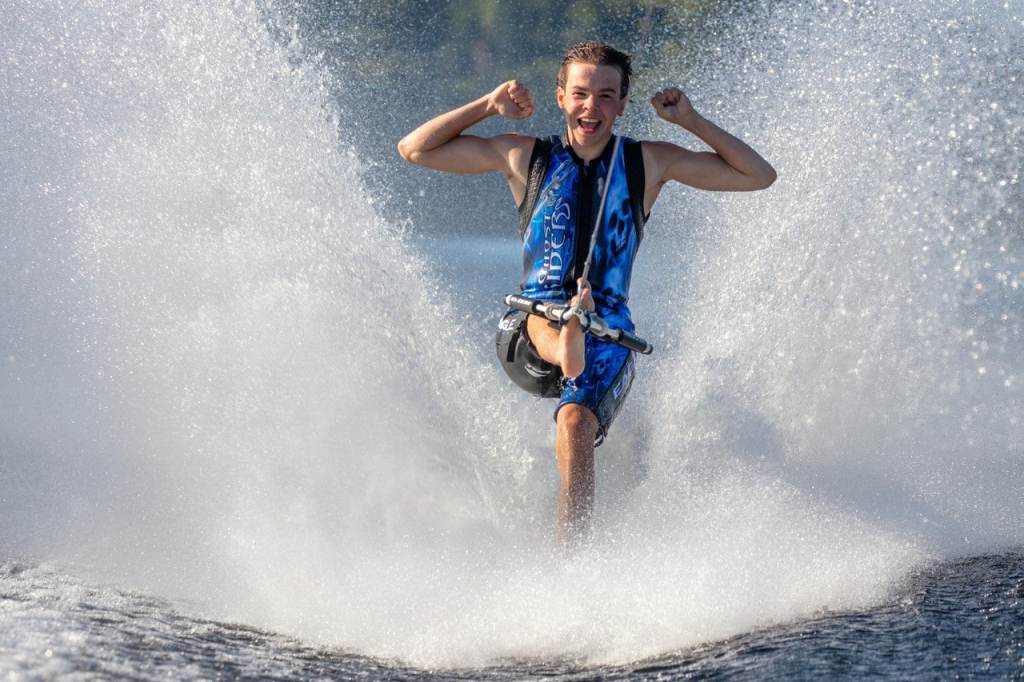
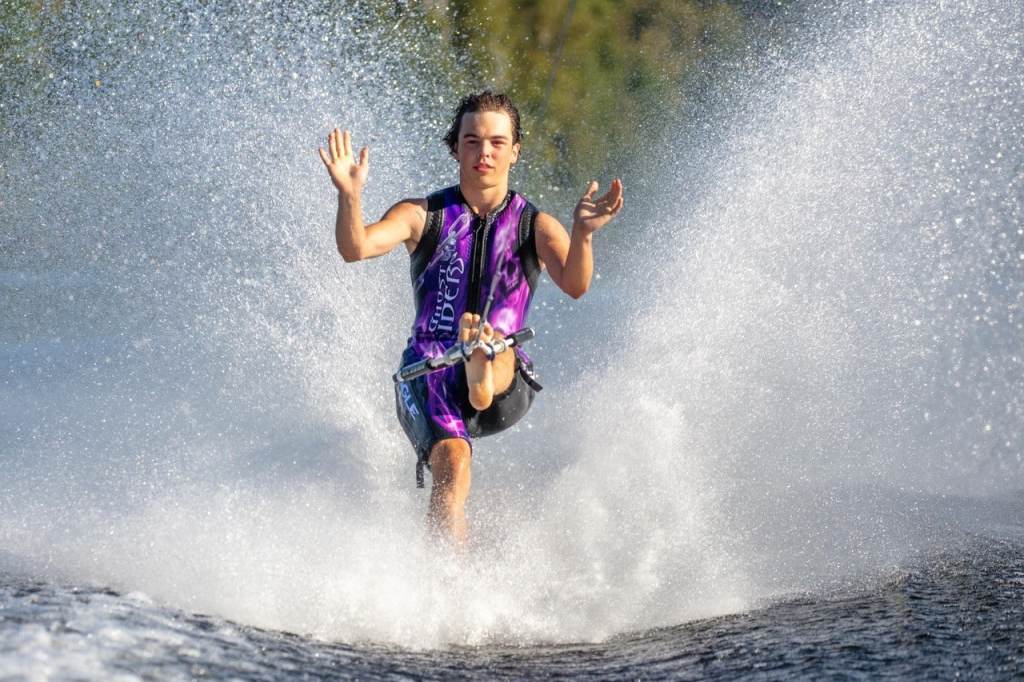
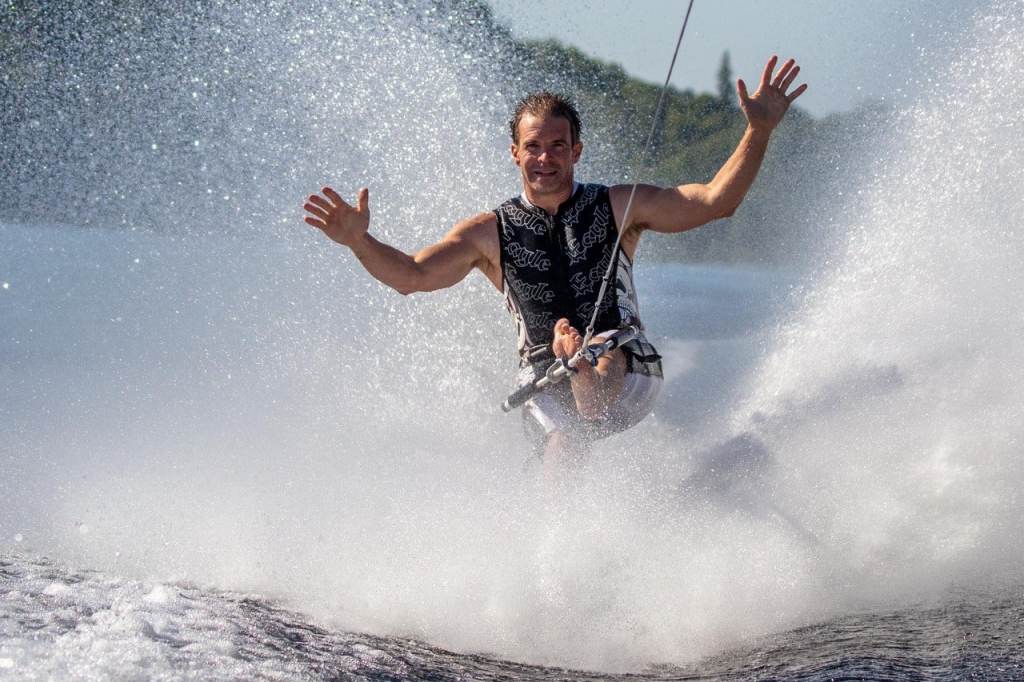
Barefoot skiing is water skiing behind a motorboat without the use of skis. Barefooting has the skier traveling at speeds of 50 to 70 km/hour, much faster than conventional water skiing. Three local athletes from the same family are competing in this sport, which is very taxing for the musculoskeletal system.We asked them a few questions to learn more.
Tristan Larivière
Tristan was barely 6 years old when he was introduced to barefoot water skiing. He started out using a “swing”, a prop that beginners can use to familiarize themselves with the sensation of their feet on the water. His first competition was at the age of 11,at the side of the boat (2nd stage of barefooting for beginners). In 2020, at the age of 12, he competed for the first time at the back of the boat. Tristan is currently ranked 1st in Canada in the junior category and 3rd in the under-23 category.
What do you like about this sport? The many different things that can be achieved. I also like this sport because it’s extreme and dramatic. Success motivates me to learn even more.
What are your goals for 2024?
I would like to set a new personal best in tricks and slalom. I would also like to try the jumps. You have to have a great deal of experience, and not many competitors want to take the risk.
What role does chiropractic care play in your sport?
There is a high risk of injury in barefoot skiing. The treatments help me to stay healthy and detect issues as soon as they arise.
Mathis Larivière
Mathis is a three-time Canadian junior champion, having prevailed in 2019, 2021 and 2022 (the pandemic forced the cancellation of the event in 2020). The talented skier was awarded Barefoot Junior Athlete of the Year by Water Ski and Wakeboard Canada (WSWC) for 2021 and 2022. He is currently ranked 2nd in the country in the under-23 age group.
Barefooting seems to be very hard on the body. What do you think are the most common injuries suffered by these athletes?
Given the speed at which skiers move, the impact of falls is considerable and blows to the head and whiplash often occur. Dislocated joints are also common and can cause long-term problems, especially for seasoned athletes.
What kinds of injuries have you suffered?
I have had a skin injury on my foot and a concussion. I’ve been lucky so far! But summer is short and any injury keeps us away from our training.
How does chiropractic care help you?
Chiropractic care helps me get back on my feet quickly in the event of injury or discomfort. My chiropractor advises me on what to do and what not to do so that I can heal as quickly as possible. Preventive care and regular follow-ups are also very important.
The next Under-23 World Championship will take place in Florida in October. Are you hoping to participate?
The qualifying period is from May 1 2023 to May 1 2024. At the moment, I’m 2nd in Canada and my brother Tristan is ranked 3rd. Since there are 6 places on the Canadian team and there are no competitions until May, our places are pretty much guaranteed. Let’s see whether our parents want to make the trip to Florida…
Daniel Larivière
Presently ranked 76th in the world in the senior category (aged 35 and over), Daniel Larivière is just a few points away from reaching the ‘open’ division and making the Canadian team.
How did the ”Barefooting Adventure”begin for you?
I was 18 when I first gave it a try. I didn’t know anyone who practised it, but I had heard that it was a feasible water sport. I thought it seemed cool. I tried it on my own for 2 years before I succeeded. I didn’t have Facebook or YouTube at the time, so I followed all sorts of advice: “Go faster… give more rope, start on your back… or on your stomach…”. One day I went to La Ronde and saw barefoot water skiers for the first time in a show. Two days later, at the age of 20, I finally succeeded! A few years later, I took part in an endurance barefooting competition and I beat some of the skiers who had impressed me at the La Ronde show…
Your performances in 2023 and in previous years were very impressive. In the years to come, are your goals to constantly improve, or rather to accompany your sons in this sport?
I’m 320 points away in tricks and only 3 points away in slalom from reaching the open division and making the Canadian team. It’s an important objective, because it might let me take part in a world championship with my sons. Tristan and Mathis have reached such a high level of competition that they help me to correct my technique.
Mathis, Daniel and Tristan Larivière. Three Les Cèdres residents with a very impressive barefoot skiing career.
Over the course of all of these years of training and competing, you must have sustained a number of injuries. Did chiropractic care help you?
I had a bad fall backwards in 2008, which caused numbness in my fingers and tongue. The chiropractor’s diagnosis and care helped me to overcome these problems. I have been using chiropractic care since 2005. It helps me to recover from injuries and perform at my best during training and competitions.











 Centre chiropratique Dr Lepage chiropraticien